It wasn’t just another playoff. It wasn’t just another tournament. For Alex Fitzpatrick, the moment the final putt dropped under a fading sun, victory wasn’t just personal—it was shared. The emotional win, achieved alongside the overwhelming support and presence of his older brother, world-renowned golfer Ryan Fitzpatrick, marked the end of a long grind and the beginning of a new era. This wasn’t merely a golf tournament. It was a familial milestone, a mental breakthrough, and a career-defining moment—all rolled into 72 holes of precision, pressure, and brotherly love.
Alex Fitzpatrick, long overshadowed by his brother’s elite collegiate and professional career, finally stepped into the spotlight on his own terms. But he didn’t do it alone. Ryan, though not competing, played an instrumental role—caddying, advising, and grounding his younger sibling through one of the most nerve-wracking finishes in recent memory.
The Weight of a Name: Alex Fitzpatrick’s Road to the PGA Tour
Walking onto any golf course with the last name “Fitzpatrick” brings expectations. For Alex, that pressure was magnified. His brother Ryan, a former NCAA champion at Northwestern and consistent contender across the PGA and DP World Tours, set a bar few could reach. But Alex never tried to replicate Ryan’s path—he carved his own.
Fighting through the lower-tier tours, Alex built his reputation not on hype, but consistency. Year after year, he refined his ball-striking, tightened his short game, and developed a mental resilience forged through near-misses and qualifying school heartbreaks. He played the Mackenzie Tour, the Canadian Tour, and various mini-tours across the U.S., often flying under the radar.
Yet, every close finish, every leaderboard appearance, chipped away at the doubt—not just from outsiders, but from within. “I knew I had the game,” Alex admitted in a post-round interview. “But belief? That’s harder. You start questioning if you’re really good enough when the results don’t come.”
That changed at the LIV Golf Parallel Series, where Alex earned his spot through sheer performance. Even then, entering the final event, he wasn’t the favorite. But he was close—ranked high enough that a strong finish could secure him a PGA Tour card.
And then Ryan showed up.
Ryan Fitzpatrick: More Than Just a Famous Brother When Ryan arrived at the tournament site, it wasn’t for media attention or nostalgia. He came with a purpose: to caddie for Alex.
In professional golf, caddies are more than bag carriers—they’re confidants, strategists, and emotional anchors. For Alex, having Ryan on the bag was like having a built-in safety net. “He knows what pressure feels like,” Alex said. “He’s been in majors, in playoffs, in front of huge crowds. When he says ‘Trust your swing,’ it’s not just advice—it’s lived experience.”
Ryan’s influence wasn’t flashy. He didn’t make headlines between holes or dominate interviews. Instead, he offered quiet steadiness. On the 16th hole, when Alex pulled his drive into the rough and looked visibly shaken, it was Ryan who stepped in, knelt beside him, and recalibrated his focus. “We’ve been here before,” he reportedly said. “Just play your game.”
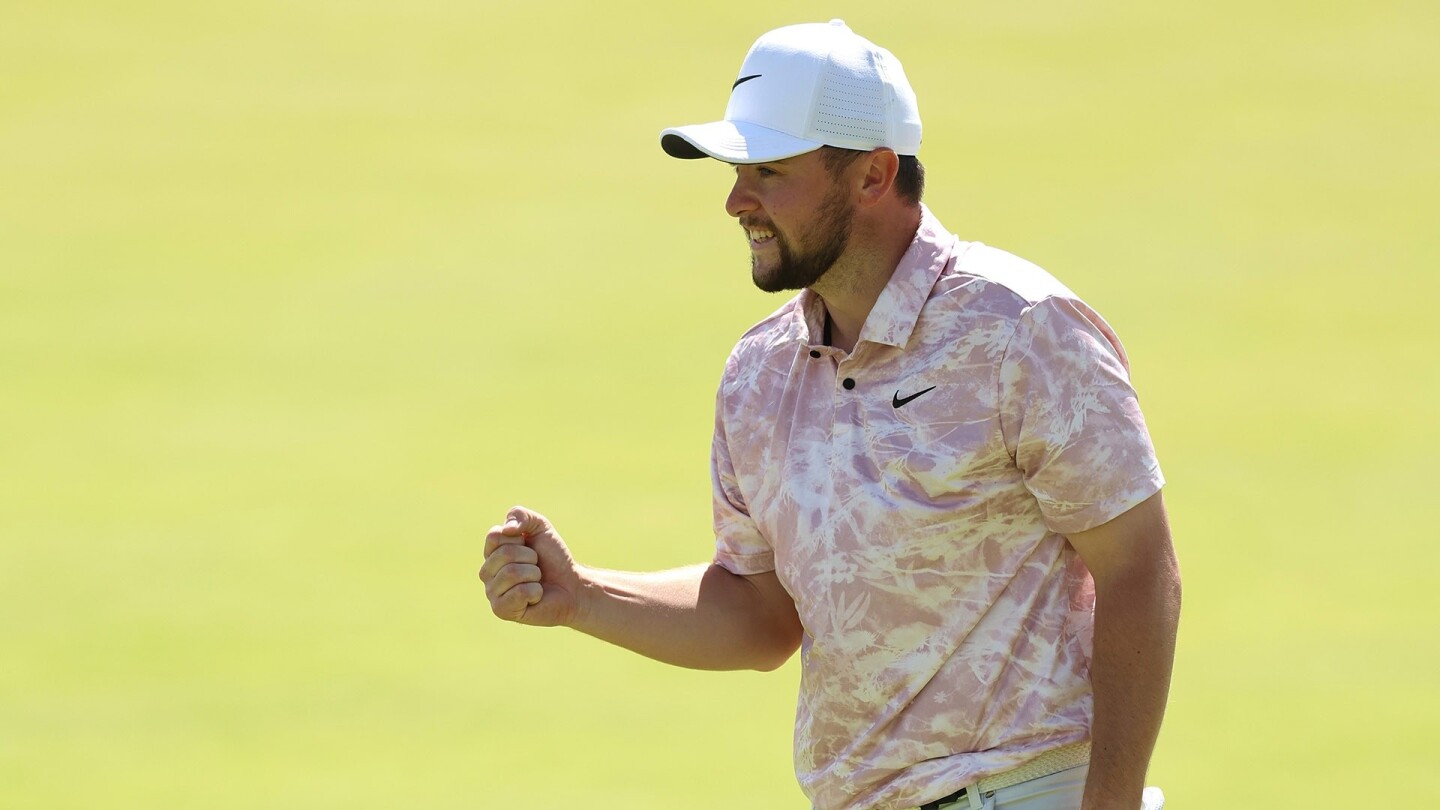
That moment became symbolic of the entire week: not the elder brother carrying the younger, but guiding him to stand on his own.
The Final Round: A Pressure Cooker with Everything on the Line
Going into the final round, Alex sat three shots behind the leader. The weather turned—rain delayed play for over an hour, cooling momentum and heightening nerves. When play resumed, the course played longer, the greens slicker. Mistakes were punished instantly.
Alex started strong, birdieing the 2nd and 5th holes. But by the back nine, the weight of the moment began to show. A bogey on the 11th, followed by a missed birdie chance on 13, left him tied for second, one stroke behind.
Then came the 18th.
Needing birdie to force a playoff, Alex stood over a 165-yard approach shot to a tucked pin. The wind shifted. The gallery fell silent. Ryan adjusted the yardage, confirmed the club—a 7-iron—and stepped back.
Alex exhaled, took the club back smooth, and struck it clean. The ball rose, floated, and landed just eight feet from the hole.
The putt followed. True. Down. Tie.
Playoff.
The Playoff: Where Legacy Was Sealed
The sudden-death playoff pitted Alex against Dane Burkhart, a seasoned challenger with two PGA Tour wins to his name. The first extra hole—a 420-yard par 4—demanded accuracy. Both players found the fairway. Both hit the green. But Alex’s lag putt left him 18 inches. Burkhart’s left him five feet.
When Burkhart’s par putt slid by, the tension snapped.
Alex stepped up, confident, composed. The tap-in wasn’t just for victory—it was for every early morning range session, every missed cut, every time he was introduced as “Ryan’s brother.”
As the ball dropped, Ryan sprinted from behind the green, arms wide, pulling Alex into a hug that became the image of the week. Cameras caught the tears—raw, unfiltered, earned.
Why This Victory Resonates Beyond the Scorecard
This wasn’t just a PGA Tour card—it was validation. For Alex, it silenced the doubt. For fans, it was a reminder that sports still produce genuine, emotional storytelling. For aspiring golfers, it’s proof that perseverance, paired with the right support, can break through.
But there’s a deeper lesson here: the power of brotherhood in high-performance environments.
Many athletes have family ties in their sports—think the Williams sisters, the Manning brothers, the Sock-Dolphins in tennis and football. But few have leveraged that bond so publicly and effectively in a pressure-cooker setting. Ryan didn’t take over; he empowered. He didn’t overshadow; he elevated.
Their dynamic offers a blueprint: support isn’t about doing the work for someone. It’s about creating the conditions where they can do it best themselves.
The Aftermath: What This Means for Alex Fitzpatrick With the PGA Tour card secured, Alex’s schedule changes overnight. No more grinding qualifiers. No more budgeting for travel. He now has access to the sport’s highest level—better fields, bigger purses, global exposure.
But the real shift is mental. “I don’t have to prove I belong anymore,” he said. “Now I get to show what I can do.”

Expect him to refine his game for PGA-level competition. That means: - Strengthening his driving distance (currently slightly below tour average) - Improving scrambling stats (a strength, but with room to grow) - Building a full-season schedule that balances rest and competition
He’ll likely keep Ryan as a periodic advisor, though not necessarily as a full-time caddie. The goal now isn’t survival—it’s sustainability.
The Emotional Edge: Why Mental Resilience Wins Championships
Golf is often called a mental game. But that phrase is overused. What really wins tournaments like this is emotional intelligence—the ability to manage fear, doubt, and expectation in real time.
- Alex’s journey highlights three critical traits:
- Self-awareness – Knowing his triggers and limitations.
- Support systems – Leveraging trusted voices (like Ryan) during tension.
- Process focus – Staying committed to routine, not outcome.
Too many young professionals collapse under pressure because they fixate on the prize. Alex didn’t. He focused on the next shot. The next hole. The next breath.
Coaches everywhere can learn from this: resilience isn’t trained in isolation. It’s built through relationships, repetition, and real-world pressure.
What’s Next for the Fitzpatricks?
Alex will begin his PGA Tour season at the Sentry Tournament of Champions qualifiers. Expect a measured approach—targeting events that suit his ball-striking strength and avoiding overly aggressive setups early on.
Meanwhile, Ryan continues his own campaign, balancing LIV Golf appearances with family and advocacy work in youth golf development. The brothers have discussed launching a joint foundation to support underfunded junior programs—a natural extension of their shared journey.
But for now, the focus remains on Alex. The card is earned. The dream is realized. The next chapter begins not with “Can he?”, but “What will he do?”
The answer starts next week, on the first tee, with a brother’s voice echoing from the gallery: Trust your swing.
FAQ Did Ryan Fitzpatrick used to caddie for Alex regularly? No, this was a rare, one-off appearance. Ryan usually doesn’t caddie professionally, but made an exception for this pivotal event.
How did Alex qualify for the tournament that earned him the PGA Tour card? He earned entry through consistent performance on the LIV Golf Parallel Series, a developmental circuit linked to PGA Tour pathways.
Is Alex Fitzpatrick related to English golfer Matt Fitzpatrick? No. Despite the shared surname and both being golfers, there is no familial connection between Alex Fitzpatrick and Matt Fitzpatrick.
What’s the significance of a PGA Tour card? It grants full playing privileges for the season, including entry into most tournaments, access to better prize money, and increased sponsor opportunities.
Did Alex win the tournament outright or in a playoff? He forced a playoff with a birdie on the 72nd hole and won in sudden death against Dane Burkhart.
Will Ryan Fitzpatrick continue to support Alex on tour? While he won’t caddie full time, Ryan plans to attend key events and remain a strategic advisor.
What’s Alex’s biggest strength as a golfer? His iron play and course management are elite. He consistently ranks high in greens in regulation and approach proximity.
FAQ
What should you look for in Fitzpatrick Brothers’ Emotional Win Secures Alex PGA Tour Spot? Focus on relevance, practical value, and how well the solution matches real user intent.
Is Fitzpatrick Brothers’ Emotional Win Secures Alex PGA Tour Spot suitable for beginners? That depends on the workflow, but a clear step-by-step approach usually makes it easier to start.
How do you compare options around Fitzpatrick Brothers’ Emotional Win Secures Alex PGA Tour Spot? Compare features, trust signals, limitations, pricing, and ease of implementation.
What mistakes should you avoid? Avoid generic choices, weak validation, and decisions based only on marketing claims.
What is the next best step? Shortlist the most relevant options, validate them quickly, and refine from real-world results.